
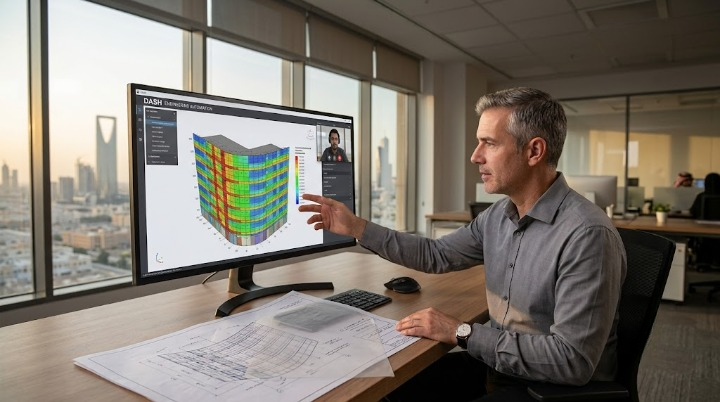
Facade engineers who recognize the value of computational rationalization but lack Grasshopper scripting experience may treat the capability as permanently out of reach, when it does not need to be built in-house to be accessed.
Why the Scripting Skill Gap Feels Like a Barrier
Computational design tools like Grasshopper offer genuine rationalization capability, but building proficiency in parametric scripting represents a real learning investment — one that many practicing facade engineers, focused on their core engineering work, have not had the opportunity to develop.
Where This Gap Gets Treated as a Dead End
Facade engineers without this scripting background sometimes conclude that computational rationalization is simply unavailable to them, rather than recognizing that the capability can be accessed through a service relationship rather than requiring in-house scripting expertise.
Why Access Does Not Require Building the Skill In-House
The value of computational rationalization lies in the output — optimized, buildable panelization — not in whether the engineer requesting it personally wrote the script that produced it. A facade engineer can benefit from computational rationalization without needing to become a computational designer themselves.
Accessing Computational Rationalization Without the Scripting Skill Set
After acknowledging the real learning curve of computational scripting tools, DASH’s engineering automation service is the way facade engineers access computational rationalization without building that scripting skill set in-house.
Consult with DASH’s team about accessing computational design support.