
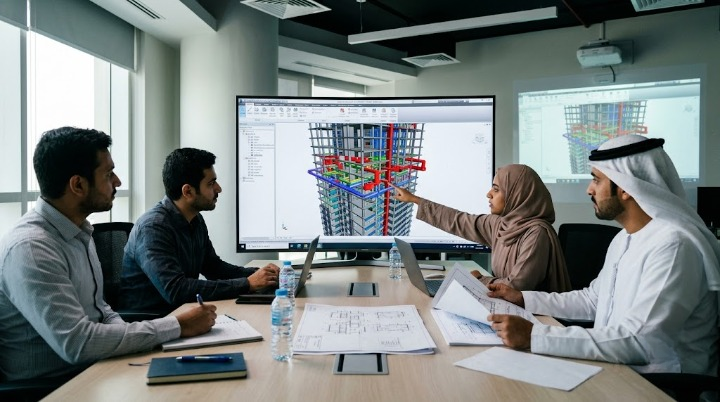
Coordination meetings where each discipline references its own drawing set, rather than a federated shared model, often end in debates that do not converge on resolved conflicts.
Why a Shared Reference Point Matters for Coordination
BIM coordination meetings are meant to resolve conflicts between disciplines — but this resolution depends on all parties working from the same current reference. If each discipline brings its own drawing set, potentially reflecting different revision states, the meeting can become a debate over whose version is current rather than a resolution of the actual coordination issue.
Where Meetings Break Down Without a Federated Model
Without a federated model that all disciplines reference simultaneously, coordination meetings risk spending significant time simply establishing which version of each discipline’s work is being discussed, before any actual conflict resolution can begin.
Why This Undermines the Purpose of Coordination
A coordination meeting that does not converge on resolved conflicts, because the underlying reference was never actually shared and current, fails to deliver the value coordination meetings are meant to provide — regardless of how much time was spent in the room.
Establishing the Shared, Current Model Coordination Requires
After identifying why meetings without a federated model rarely reach resolution, DASH’s Automated BIM Coordination practice establishes the shared, current model coordination actually requires, ensuring meetings are working from the same reference rather than debating which version is authoritative.
Consult with DASH’s team about establishing a federated coordination model.