
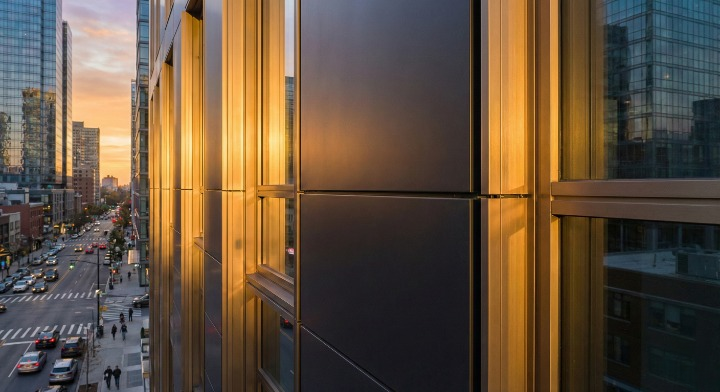
Have you ever wondered how aluminum, with its distinctive appearance, adds a special touch to products and buildings? The answer lies in surface finishes. These treatments not only enhance the visual appeal of aluminum but also improve its durability against environmental factors. Let’s explore everything you need to know about aluminum finishes and how to choose the most suitable option.
Why Are Aluminum Surface Finishes Important?
Enhancing Corrosion Resistance
Surface finishes add protective layers to aluminum, making it resistant to weather elements like humidity and corrosion. For example, anodized finishes create a tough oxide layer that shields the surface from damage.
Improving Design and Aesthetics
With a wide variety of finish options available, you can select the perfect look for any application, whether for interior décor or modern industrial designs.
Types of Aluminum Surface Finishes
1. Natural Finish
This type maintains aluminum’s original color without additional coatings or treatments. It is versatile and often used in modern designs that highlight the raw metal appearance.
2. Anodized Finish
-
What it is: Anodizing is an electrochemical process that converts the aluminum surface into a durable, corrosion-resistant oxide layer. Unlike coatings that are applied on top of the aluminum, anodizing becomes part of the metal itself.
-
How it’s done: The aluminum is immersed in an acidic bath and subjected to an electric current, which causes the oxide layer to grow. The anodized layer can then be colored with dyes or pigments.
-
Benefits:
-
Excellent hardness and abrasion resistance.
-
Enhanced corrosion resistance.
-
Improved adhesion for paints and coatings.
-
Aesthetically pleasing metallic appearance.
-
-
Applications: Architectural extrusions, window frames, door hardware, and other components where durability, a metallic look, and high-rise buildings facade are desired.
3. Painted Finish
With options for glossy or matte coatings, painted finishes allow for customized aluminum appearances. In addition to aesthetic value, paint provides protection against scratches and corrosion.
In exterior facade Solid aluminum sheets are widely used in facade design primarily as:
1. PVDF (Polyvinylidene Fluoride)
-
What it is: PVDF is a fluoropolymer resin known for its exceptional weatherability, UV resistance, and chemical resistance. It’s considered one of the best options for long-lasting exterior applications.
-
How it’s applied: PVDF coatings are typically applied as a multi-layer system, including a primer, color coat, and clear topcoat. This is often done through spray coating in a factory setting.
-
Benefits:
-
Extreme durability, lasting for decades with minimal fading.
-
Excellent resistance to weathering, including sunlight and rain.
-
Chemical inertness, resistant to acids and solvents.
-
-
Applications: Curtain walls, building facades, roofing, and window frames.
2. Hyper Durable Coatings
-
What they are: High-performance coatings that exceed the typical durability of standard coatings, often incorporating specialized resins to enhance resistance to weathering.
-
Benefits: Extended lifespan (often with warranties of 30 years or more) and superior resistance to fading and scratching.
3. SDF (Super Durable Fluorocarbon)
-
What it is: A type of high-performance powder coating using fluoropolymer resins for excellent weatherability and UV protection.
-
How it’s applied: Applied as a dry powder that is electrostatically charged, sprayed, and then baked in an oven.
-
Benefits: Long-lasting performance and environmentally friendly due to the absence of solvents.
4. Powder Coating
-
Material: Dry powder made of polymer resins (e.g., epoxy, polyester, acrylic).
-
Process: Electrostatically applied and cured under heat.
-
Properties:
-
Good mechanical and chemical resistance.
-
Wide range of colors and textures.
-
Thicker coating compared to PVDF.
-
-
Advantages: Cost-effective, environmentally friendly, and durable.
-
Disadvantages: Less UV resistance compared to PVDF.
Comparison Summary
Solid aluminum panels and aluminum composite panels (ACPs) are both popular choices
| Feature | PVDF Coating | Powder Coating | Anodization | SDF Coating |
| Material | Fluoropolymer | Polymer resins | Metal oxide layer | Hybrid fluoropolymer |
| Durability | Excellent | Good | Excellent | Superior to PVDF |
| UV Resistance | Superior | Moderate | Good (if sealed) | Excellent |
| Color Options | Wide range | Wide range | Limited | Wide range |
| Cost | High | Moderate | Moderate to High | High |
| Thickness | Thin | Thick | Thin | Thin |
| Best For | Harsh environments | General-purpose | Wear resistance | High-performance architectural |
Other Finish Types
5. Polished Finish
Polishing gives aluminum a shiny, reflective surface, making it an excellent choice for luxury products like home appliances. The difference lies in the depth of shine and smooth texture.
6. Textured Finish
Techniques like engraving and sandblasting create decorative surfaces. These are commonly used in creative projects and artistic designs.
Impact of Surface Finishes on Performance
-
Increased Corrosion Resistance: Protective layers reduce exposure to humidity and pollutants.
-
Enhanced Aesthetics and Design: Selecting the right finish makes products look modern or classic.
-
Improved Durability: Treatments increase the aluminum’s ability to withstand pressure and friction.
Applications in Different Industries
-
Construction: Anodized finishes and PVDF/SDF coatings are used in building facades for durability.
-
Automotive & Aerospace: Polished and anodized finishes improve aesthetics while reducing weight.
-
Electronics: Smartphones and laptops feature anodized aluminum for a premium look.
-
Home Appliances: Painted and polished finishes give refrigerators and microwaves a luxurious touch.
How to Choose and Maintain Finishes
Key Considerations
-
Project requirements: Durability, appearance, and budget.
-
Environmental conditions: Exposure to sunlight, salt spray, and pollution.
-
Aesthetics: Desired color, gloss, and texture.
Maintenance Tips
-
Use non-abrasive cleaning agents.
-
Avoid harsh brushes or strong chemicals.
-
Use dedicated aluminum cleaning solutions for longevity.
Frequently Asked Questions (FAQs)
-
What are the best finishes? Choice depends on application; anodized and painted are common.
-
Difference between Anodized and Painted? Anodized is a protective oxide layer; painted adds color/protection.
-
How to maintain them? Regular cleaning with suitable materials and avoiding scratches.
-
Which industries rely on them? Construction, automotive, electronics, and home appliances.