
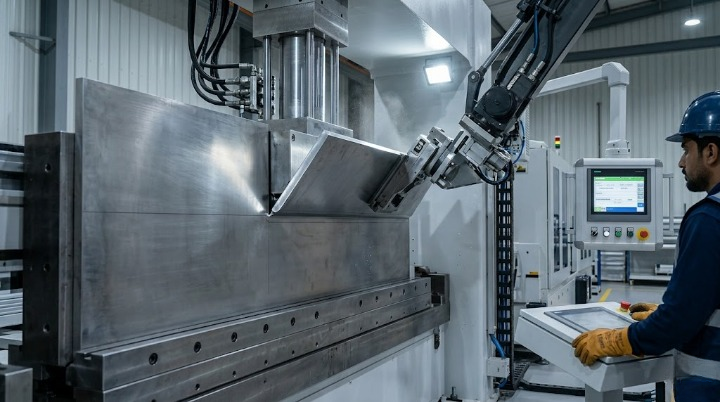
Solid panel folding techniques are essential operations in cladding and construction projects, significantly enhancing design quality and reducing waste. These techniques transform solid panels into complex shapes to meet architectural design requirements, making them indispensable for engineers and contractors. This guide explores the importance of folding solid panels, the types available, various techniques used, and best practices for achieving optimal results.
Overview of Solid Panels in Construction
What Are Solid Panels?
Solid panels are durable building materials used in external cladding for buildings and structures. Typically made from aluminum, steel, or copper, these panels protect against weather conditions and enhance aesthetic appearance.
Common Types of Solid Panels
- Aluminum Panels: Lightweight, corrosion-resistant, ideal for coastal areas.
- Steel Panels: High strength, impact-resistant, heavier in weight.
- Copper Panels: Luxurious aesthetics and excellent durability.
Technical Specifications and Their Impact on Folding
Technical aspects like thickness, stiffness, and flexibility affect the folding process. Thicker panels require greater force, whereas flexible panels might crack if improperly handled.
Scientific Principles of Folding Processes
What is Folding?
Folding reshapes solid panels by applying external force without cutting. It affects the panel’s internal structure and can introduce internal stress if not done correctly.
Differences Between Folding, Cutting, and Bending
- Folding: Changing shape without removing material.
- Cutting: Removing material to achieve the desired shape.
- Bending: Gradually changing shape without sharp folding.
Physical Factors Affecting Folding
- Elasticity: Ability of the panel to revert to its original shape.
- Rigidity: Resistance to deformation.
- Thickness: Greater thickness demands higher folding force.
Tools and Equipment for Folding Solid Panels
Manual and Automated Folding Machines
Manual machines are ideal for smaller projects, while automated machines offer speed and accuracy for large-scale tasks.
Importance of Choosing Suitable Tools
Proper tool selection ensures precision and reduces risks of cracking or distortion. Thicker panels require powerful hydraulic machines.
Maintenance for Folding Equipment
Routine maintenance is crucial for tool accuracy and efficiency, including regular cleaning and inspection of moving parts.
Techniques for Folding Solid Panels
Manual Folding
When to Use: Small projects or high-precision tasks.
Tools Used: Hammers and hand-folding tools.
Execution Steps:
- Define the desired folding angle.
- Secure panel firmly.
- Gradually apply force to prevent cracking.
Hydraulic Machine Folding
Functionality: Utilizes hydraulic pressure to efficiently fold thick panels.
Preferred Usage: Large-scale projects and thicker panels.
Pros: High accuracy, fast execution.
Cons: High cost, requires regular maintenance.
Laser Folding Technique
Differences from Traditional Methods: Uses high-energy laser beams to heat and precisely fold panels.
When Beneficial: Complex designs requiring high precision.
Advantages: Precision, reduced waste.
Challenges: High costs, technical expertise required.
Extrusion Bending Technique
Working Principle: Forces the panel through a mold to shape it accurately.
Application: Suitable for long panels requiring specific angles.
Comparison: More precise for lengthy panels and sharp angles.
Factors Affecting Folding Quality
- Panel thickness and flexibility.
- Folding angles impacting durability.
- Optimal folding temperature to minimize cracking.
- Execution speed influencing accuracy.
Common Challenges in Folding Operations
- Cracking or breaking during folding.
- Inconsistent folding angles affecting final quality.
- Incorrect tool and equipment selection.
- Surface deformation and wrinkles after folding.
Safety Standards for Folding Operations
- Importance of personal protective equipment (PPE).
- Injury prevention measures during folding.
- Regular machine inspections for safe operations.
Practical Applications in Construction Projects
- Utilizing folded panels for building cladding.
- Executing intricate and dynamic architectural designs.
- Examples of successful projects employing advanced folding techniques.
Comparison of Folding Techniques
- Manual vs. automated folding: accuracy and cost considerations.
- Laser vs. mechanical folding: choosing the better option.
- When to prefer extrusion bending?
Best Practices for Optimal Panel Folding
- Selecting suitable panel types per project needs.
- Utilizing correct folding angles to prevent issues.
- Analyzing site conditions before execution.
- Ensuring compliance with international quality standards.
FAQs on Solid Panel Folding
- How does laser folding differ from manual folding?
- How can panel cracking be prevented during folding?
- What recommended tools ensure precise folding?
- Are specific materials requiring special handling during folding?
- How to enhance folding efficiency in large projects?
- What are common errors in panel folding operations?
- Do folding techniques vary by panel thickness?
- What’s the cost difference between laser and traditional folding?
- Can incorrectly folded panels be corrected afterward?
Learning solid panel folding techniques is crucial for improving quality in cladding projects. Choosing appropriate techniques ensures precision, sustainability, and enhances professional competence among engineers and contractors.