
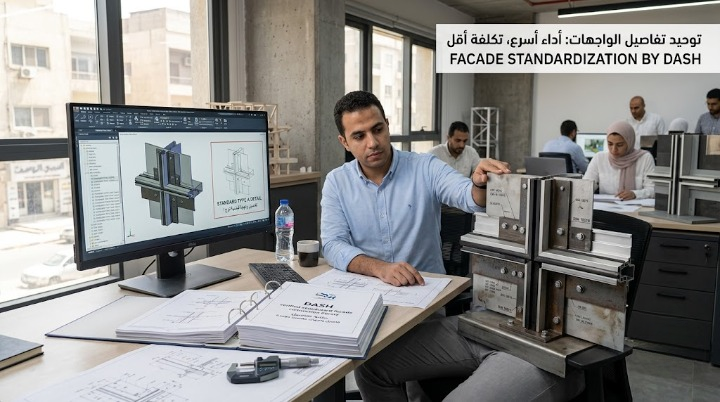
Facade engineering teams designing each panel connection detail uniquely, rather than drawing from a standardized connection library, multiply both engineering review time and fabrication variance across the project.
Why Unique Connection Details Multiply Effort
Designing a genuinely unique connection detail for every panel condition requires individual engineering review and verification for each one — effort that scales directly with the number of unique conditions, rather than benefiting from any repeatability across the project.
Where This Approach Creates Unnecessary Cost
Beyond the multiplied engineering review time, unique connection details also introduce fabrication variance — each unique detail potentially requiring its own fabrication approach, tooling, or verification, compounding cost and complexity relative to a standardized approach that could handle multiple conditions with proven, repeatable details.
Why Standardization Reduces Both Review Time and Fabrication Variance
A standardized connection detail library, verified once and reused across compatible conditions, reduces the engineering review burden to verifying which standard detail applies to a given condition, rather than designing and verifying an entirely new detail each time.
Built Around Reusable, Verified Connection Standards
After outlining the compounding benefit of a standardized connection detail library, DASH’s facade engineering solutions are built around reusable, verified connection standards, reducing the review time and fabrication variance that fully unique connection details would otherwise multiply.
Consult with DASH’s team about standardizing your facade connection details.