
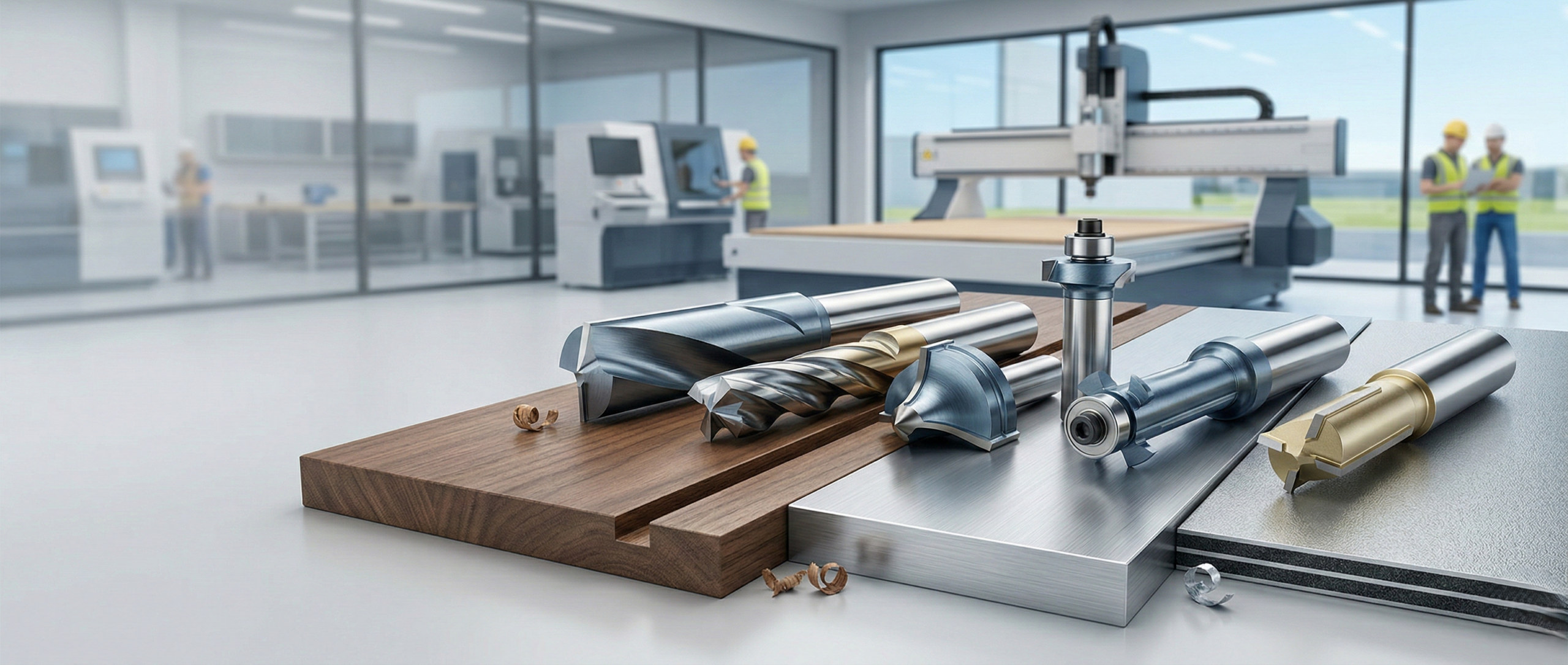
The Importance of Choosing the Right Router Cutter for Precision Cutting
Have you ever wondered what makes precise and smooth cuts aluminum solid sheet, ACP ? The answer lies in using the right router cutters! These essential tools are the key to achieving professional-quality results, whether you’re working on furniture, decorative pieces, or industrial applications. In this article, we’ll dive into the top types of router cutters and how to choose the perfect one for your needs .
What Are Router Cutters?
Definition and Function of Router Cutters
Router cutters are tools used for cutting, shaping, and carving different materials such as wood, plastic, metals, and even glass. These cutters rely on specially designed sharp blades to perform the work with precision and smoothness.
Basic Components of a Cutter and Their Role in the cutting process
- Blade: The part responsible for cutting, available in various shapes and sizes.
- Handle or Base: Provides stability during operation.
- Motor (in automatic cutters): Determines the cutting speed and power.
The Difference Between Manual and Automatic Cutters
- Manual Cutters: Ideal for small and precise tasks.
- Automatic Cutters: Used for large-scale projects, offering greater efficiency and speed.
Benefits of Using Router Cutters
Achieving Extreme Cutting Precision
Router cutters are the perfect choice for getting fine details and smooth edges, enhancing the overall quality of the final work.
Saving Time and Effort with Professional Results
With their advanced design, router cutters speed up the cutting process compared to traditional methods.
Ability to Handle Various Materials
From wood to metals and plastics, router cutters can adapt to a wide range of materials.
Types of Router Cutters Available in the Market
Router cutters, also known as router bits, are essential tools in woodworking and other material shaping tasks. They come in a vast array of shapes, sizes, and materials, each designed for specific applications. Here’s a breakdown of the common types available in the market:
- Classification by Profile/Application:
Router bits are primarily categorized by the shape of the cut they produce.
- Straight Bits:
- Purpose: The most fundamental type, used for creating straight grooves, dados (grooves across the grain), rabbets (shoulders along an edge), mortises, and for general trimming and sizing.
- Variations: Available in various diameters and lengths, and with single, double, or multiple flutes. Some have bottom-cutting edges for plunging.
- Flush Trim Bits:
- Purpose: Designed to trim one material flush with another, often used for laminate trimming or duplicating patterns from a template.
- Features: Have a pilot bearing (guide) that is the same diameter as the cutter, which rides along the edge of the material or template. The bearing can be at the top, bottom, or both.
- Edge-Forming Bits:
- Purpose: Used to create decorative profiles on the edges of wood or other materials, enhancing aesthetics and sometimes comfort (by softening sharp edges).
- Common Types:
- Round-over Bits: Create a smooth, rounded edge (convex quarter-circle).
- Chamfer Bits: Cut a beveled or angled edge, commonly at 45 degrees, but available in other angles. Can also be used for creating miter joints.
- Cove Bits: Create a concave quarter-circle shape, the inverse of a round-over.
- Beading Bits: Similar to round-over bits but add a small “bead” or lip to the rounded edge.
- Ogee Bits (e.g., Roman Ogee): Create an elegant S-shaped decorative profile.
- Bullnose Bits: Create a fully rounded edge, often for tabletops.
- Joinery Bits:
- Purpose: Designed to create mating profiles for strong and precise woodworking joints.
- Common Types:
- Rabbeting Bits: Cut a rabbet or shoulder along the edge of a workpiece for joining. Often come with interchangeable bearings to vary the rabbet depth.
- Dovetail Bits: Essential for cutting the distinctive “tails” and “pins” of strong dovetail joints, commonly used in drawers and furniture.
- Tongue and Groove Bits: Create a protruding “tongue” on one edge and a corresponding “groove” on another, allowing two pieces of wood to interlock.
- Rail and Stile Bits: Used in sets to create the interlocking profiles for frame and panel construction, typically for cabinet doors.
- Finger Joint Bits: Produce intermeshing “fingers” for strong, self-aligning joints.
- Lock Miter Bits: Create a strong miter joint with interlocking profiles, often at 45 degrees, for corners.
- Grooving and Slotting Bits:
- Purpose: For cutting grooves, slots, and channels within a workpiece.
- Common Types:
- V-Groove Bits: Create V-shaped grooves for decorative effects, sign making, or chamfering. Available in various angles (e.g., 30°, 60°, 90°, 120°).
- Core Box Bits (Round Nose Bits): Create U-shaped or rounded grooves, often for fluting, carving, or making small bowls/trays.
- Slot Cutting Bits: Create narrow, consistent slots for T-molding, biscuit joints, or splines. Often use interchangeable cutters and shims to adjust slot width.
- Panel Raising Bits:
- Purpose: Used to create the traditional raised profile on panels for cabinet doors and other furniture. These are large bits, often requiring a powerful router and router table.
- Specialty Bits:
- Handrail Bits: Large bits specifically designed to create the complex profiles of stair handrails.
- Dish Carving Bits: For carving concave dishes or trays.
- Drawer Pull Bits: Create integrated pulls or handles in drawer fronts.
- Molding Bits: Designed to replicate various decorative molding profiles.
- Classification by Material Composition:
The material of the cutting edge significantly impacts the bit’s performance, durability, and cost.
- High-Speed Steel (HSS) Bits:
- Characteristics: Less expensive, easier to sharpen, but dull more quickly. More flexible, making them less prone to chipping.
- Use: Suitable for softer woods and light-duty applications.
- Carbide-Tipped (CT) Bits:
- Characteristics: Most common type. Have a steel body with tungsten carbide tips brazed onto the cutting edges. Stay sharp much longer than HSS bits. More brittle, so prone to chipping if dropped or mishandled.
- Use: Ideal for hardwoods, abrasive materials like plywood, chipboard, MDF, and general routing applications.
- Solid Carbide (SC) Bits:
- Characteristics: Made entirely from a solid piece of carbide. Extremely hard and can hold a very fine edge for a long time. Stronger and can be re-sharpened multiple times. More expensive and brittle than carbide-tipped bits.
- Use: Preferred for demanding applications, industrial use, CNC routing, and for machining hard plastics and aluminum alloys where precision and long tool life are critical. Spiral bits are often solid carbide.
- Polycrystalline Diamond (PCD) Bits:
- Characteristics: Feature man-made diamonds bonded onto carbide tips. Offer exceptional wear resistance and longevity, outlasting conventional carbide many times over. Very expensive.
- Use: Primarily for specialized production applications, highly abrasive materials, and CNC fixed-head routers with automatic feed where high volume and minimal downtime are crucial.
- Replaceable Blade Cutters:
- Characteristics: Consist of a precision-ground spindle onto which removable solid carbide blades are fitted. Blades can be rotated or replaced when dull.
- Use: Economical for production settings, especially with abrasive materials, as blades are relatively cheap and quick to change. Primarily available in straight and angled profiles.
III. Classification by Shank Size:
Router bits come with different shank diameters, which must match the collet of your router.
- 1/4″ Shank:
- Characteristics: Common on smaller or trim routers. More affordable, but can be more prone to vibration and breakage, especially with larger diameter bits or deep cuts.
- 1/2″ Shank:
- Characteristics: Preferred for most applications, especially with larger or more powerful routers. Provides greater stability, less vibration, and smoother cuts. Generally more durable.
- Metric Shanks (e.g., 6mm, 8mm, 12mm):
- Characteristics: Common in European markets. It’s crucial to ensure the correct match with your router’s collet to avoid unsafe operation and damage.
When choosing a router cutter, consider the type of material you’ll be working with, the desired profile, the power of your router, and your budget. Investing in good quality bits will generally provide cleaner cuts, longer tool life, and a better overall woodworking experience.
How to Choose the Right Router Cutter?
Identify Your Needs Based on the Material to Be Cut
Choose a cutter with blades suitable for the material type.
Hard materials such as metals require durable, high-quality blades.
Comparing Different Blade Sizes
- Small Blades: Ideal for detailed work.
- Large Blades: Used for cutting thicker materials.
Tips for Choosing the Cutter that Fits Your Budget
Determine the type and thickness of the materials to be cut.
Set your budget and compare the available options.
Advantages of High-Quality Router Cutters
Longer Blade Lifespan
Cutters made from durable materials like carbide ensure long-lasting performance.
Reduced Vibration During Cutting for Smooth Edges
The advanced design reduces vibration, helping to achieve accurate results.
Ergonomic Design Ensuring Ease of Use
Cutters with comfortable handles help reduce fatigue during extended use.
Top Router Cutter Brands in Saudi Arabia
Overview of Leading Brands
- Bosch: Known for high manufacturing quality.
- Makita: Offers versatile cutters suitable for both beginners and professionals.
- Festool: Ideal for industrial projects.
Evaluating Features and Prices for Each Brand
- Bosch: Mid-range pricing with guaranteed quality.
- Makita: Offers a variety of options at reasonable prices.
- Festool: Suitable for those seeking professional performance.
Exclusive Offers at Domapp Store
Domapp offers exclusive discounts and excellent services, including warranties and maintenance.
Common Mistakes When Using Router Cutters and How to Avoid Them
Using the Wrong Blades for the Material
Always use blades specifically designed for the material you are cutting to achieve optimal results.
Not Adjusting the Cutting Speed Correctly
Adjust the cutter speed according to the material thickness and type to prevent damage.
Neglecting Routine Cutter Maintenance
Ensure to clean the cutter and inspect the blades after each use to maintain its performance.
Routine Maintenance for Router Cutters
Cleaning the Blades After Each Use
Remove material residues using a soft brush to prevent buildup.
Inspecting and Replacing Worn Blades
Replace the blades as soon as you notice wear to maintain continuous performance.
How to Store the Cutter Properly for Longevity
Store the cutter in a dry place away from moisture.
Ideal Cutting Techniques Using Router Cutters
Setting the Right Speeds for Each Material
- Wood: Low to medium speed.
- Metal: High speed for smooth cutting.
Using Additional Accessories for Better Results
Utilize accessories such as angle cutters to achieve innovative designs.
Tips for Achieving Straight and Precise Lines
Secure the material firmly before starting the cut.
Use a guide to ensure straight cuts.
Uses of Router Cutters in Different Projects
Furniture Design Using Router Cutters
Create smooth edges and fine details for doors and tables.
Applications in Artistic Projects and Decorations
Ideal for carving precise shapes and decorations.
Industrial Uses for Cutting Metals and Plastics
Used for manufacturing industrial parts such as metal structures and plastic components.
How to Improve Your Router Cutter Skills
Join Specialized Training Courses
Courses will help you learn new techniques and gain advanced skills.
Watch Educational Videos
Take advantage of free online resources to improve your skills.
Benefit from Expert Tips at Domapp
Domapp provides free advice and guidelines for customers.
Domapp’s Role in Providing the Best Router Cutters in Saudi Arabia
A Wide Variety of Cutters for Every Need
Domapp offers options suitable for both professionals and beginners.
Free Consultation Services to Choose the Perfect Cutter
You can ask for store assistance to determine the best option for your needs.
Special Offers and Competitive Prices
Domapp offers exclusive discounts and after-sales services.
Frequently Asked Questions About Router Cutters
What Is the Best Cutter for Cutting Wood?
Straight blade cutters are ideal for wood.
Can Router Cutters Be Used to Cut Aluminum?
Yes, with blades specifically designed for cutting metals.
How Do I Determine the Right Speed for Cutting?
It depends on the material type; use low speed for soft materials and high speed for hard materials.
What Is the Lifespan of Router Cutter Blades?
It depends on usage and material type, but they last for long periods with proper maintenance.
Does Domapp Offer a Warranty on Router Cutters?
Yes, the store offers warranties and maintenance services on its products.
Choosing the right router cutter is an essential step to achieving professional results in cutting work. With the variety of options and high quality offered by Domapp Store, you can easily find the perfect cutter. Don’t miss the opportunity and take advantage of the exclusive offers today!