
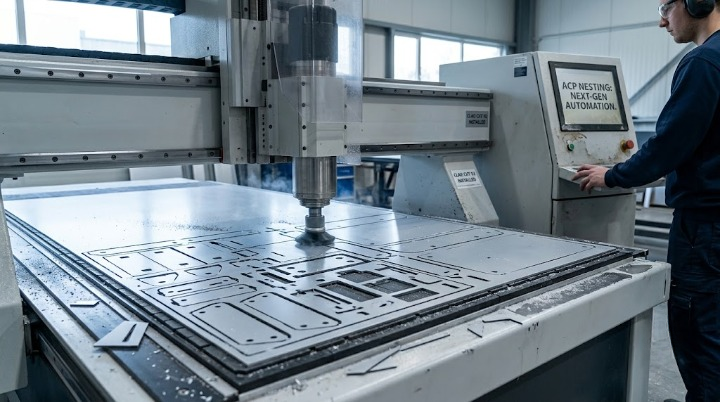
Forward-thinking workshop owners watching automation transform every other industry may wonder when intelligent nesting will further improve on current algorithmic approaches, without a clear sense of where that improvement is actually headed.
Why Nesting Technology Continues to Evolve Beyond Current Algorithms
Current algorithmic nesting approaches already achieve strong material utilization relative to manual methods, but the underlying technology continues to advance — incorporating techniques that learn from historical cutting data and adapt to material batch variations in ways that further refine nesting efficiency over time.
Where Workshop Owners Can Position Themselves for This Evolution
A workshop already using an algorithmic nesting platform is positioned to benefit from ongoing improvements to that platform as the underlying technology advances, rather than needing to adopt an entirely new solution each time nesting technology takes a further step forward.
Why Waiting for a Hypothetical Future Solution Has Its Own Cost
Workshop owners deferring adoption of current algorithmic nesting while waiting for some anticipated future technology continue to accept today’s manual nesting waste in the meantime — a cost that accrues regardless of whether or when that anticipated future improvement actually arrives.
Built on Current Algorithmic Excellence With Ongoing Development
After explaining how nesting algorithms continue to improve by learning from historical cutting data and adapting to material batch variations, the fix is adopting current best-in-class algorithmic nesting now, positioned to benefit from continued advancement rather than waiting indefinitely. Clad Cut V2 is built on current algorithmic excellence with ongoing development, offering workshops the benefit of today’s efficiency gains while remaining positioned for tomorrow’s improvements.
Consult with Clad Cut V2’s team about staying current with nesting technology.