
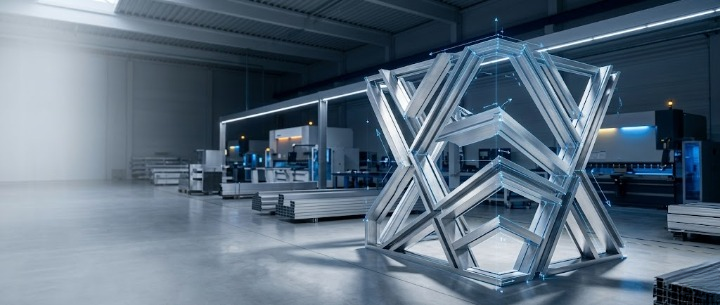
Using Bending Techniques to Create Complex Frames for Cladding Panels
In the world of cladding manufacturing, complex frames are an essential element for achieving modern and innovative designs. Bending and milling techniques are used to create these frames with high precision, ensuring both design quality and functionality. In this article, we will explore how bending techniques are used to create complex frames for metal panels, focusing on the tools and practical steps that help engineers achieve the best results.
What Are the Bending Techniques Used to Create Complex Frames?
Definition of Bending Techniques in Panel Manufacturing
Bending techniques are manufacturing processes used to fold metal sheets into specific shapes using specialized machines. This technique is ideal for creating complex frames because it allows for precise angles and shapes without requiring extensive cutting or welding.
Integration of Bending and Milling
Milling is used after the bending process to add the fine details required for complex frames. It allows for the removal of excess materials and shaping of the edges with high precision, ensuring that the final frame perfectly aligns with the intended design.
Why Use Bending to Shape Complex Frames for Panels?
Design Flexibility
Bending techniques provide engineers with significant design flexibility, making it easy to achieve complex and multi-dimensional shapes.
Achieving Precise Dimensions
Bending allows for precise angles and dimensions, ensuring that the final frame meets the required specifications without needing additional adjustments.
Reducing Costs and Increasing Efficiency
By using bending, material waste is minimized, and the need for manual labor is reduced, leading to lower costs and increased production efficiency.
Tools and Machines Used for Forming Complex Frames with Bending
Advanced Bending Machines
Hydraulic and electric bending machines are used to bend panels with precision. These machines can handle panels of varying thicknesses and provide accurate angles.
Using Milling for Fine Details
Milling machines are used to add fine details such as custom openings and edges. These machines operate with high precision to ensure the final frame’s quality.
Measuring Tools to Ensure Accuracy
Measuring tools such as calipers and lasers are used to ensure that dimensions and angles match the required design.
Basic Steps for Creating Complex Frames Using Bending
Preparing the Panels Before Bending
Metal panels must be cleaned and prepared before starting the bending process, ensuring they are free of defects.
Printing and Accurate Layout of the Design
The design is printed on the panels using techniques such as laser or resistant ink to ensure precise planning.
Bending and Milling Process
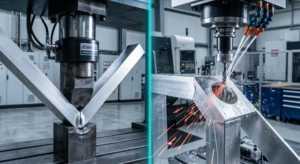
Bending machines are used to fold the panels according to the design, followed by milling machines to add fine details.
Verifying Accuracy and Dimensional Quality
The final frame is inspected using measuring tools to ensure it meets the required specifications.
Challenges You May Face When Using Bending to Create Complex Frames
Handling Materials of Different Thicknesses
Panels with varying thicknesses may require precise machine adjustments to prevent distortions.
Ensuring No Distortions During Bending
Bending force and angles must be controlled to prevent panel warping.
Maintaining Panel Straightness
It is essential to ensure that panels remain straight during the bending process to guarantee the frame’s accuracy.
Tips for Achieving the Best Results When Creating Complex Frames Using Bending
- Selecting the Right Tools for the Bending Process: The appropriate bending and milling machines should be chosen based on the type of panels and the required design.
- Regularly Checking Machine Settings: Machine settings should be checked periodically to ensure precision.
- Optimizing the Design Before Production: The design should be refined during the planning phase to ensure ease of execution and reduce errors.
How Does Bending Speed Up Production and Reduce Costs?
- Increasing Production Speed with Bending: Bending allows for faster frame production compared to traditional manufacturing methods.
- Reducing the Need for Manual Labor: Bending techniques minimize the need for manual work, saving time and effort.
- Lowering Material Costs: Bending reduces material waste, leading to lower material costs.
How Does Milling Affect the Quality of Complex Frames?
- Precise Details Using Milling: Milling enables the addition of fine details such as custom openings and edges.
- Accurate Dimension Adjustments with Milling: Milling ensures that the final frame’s dimensions match the required design.
Practical Applications of Bending Techniques in Creating Complex Frames
- Using Bending in Cladding Manufacturing: Bending techniques are used to create complex frames for cladding facades, enhancing their appearance and durability.
- Architectural and Structural Applications: These techniques are applied in constructing complex architectural structures such as bridges and modern buildings.
Frequently Asked Questions
Can Bending Be Used to Create Complex Frames for All Types of Panels?
Yes, but the appropriate machines must be selected based on the type of panels.
What Are the Best Tools for the Bending Process?
Hydraulic and electric bending machines are the best for achieving high precision.
How Can Distortions Be Avoided When Forming Complex Frames?
Bending force and angles should be controlled, and precise measuring tools should be used.
Can Bending Be Combined with Milling in Frame Design?
Yes, milling is used to add fine details after the bending process.
What Are the Challenges of Bending When Working with Thin Panels?
Thin panels may deform easily, so precise settings must be used.
Conclusion
Bending and milling techniques are essential tools for creating complex frames for metal panels. These techniques provide high precision and design flexibility, making them ideal for cladding manufacturing and architectural applications. We encourage engineers to utilize these techniques to achieve innovative and high-quality frames.
DomeApp offers the Clad Cut tool to simplify cladding panel measurements. Take advantage of this tool to achieve higher accuracy in your projects!