
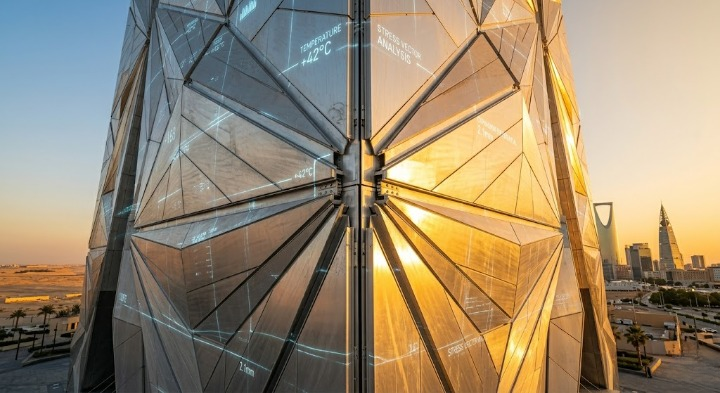
Solid aluminum panels have become popular in building cladding (façade applications) due to their durability, lightweight nature, and weather resistance. However, like any other construction material, these panels have potential disadvantages that could impact their performance if not properly managed. This article discusses common drawbacks associated with solid aluminum panels and effective strategies to overcome these issues, ensuring optimal results in cladding projects.
Overview of Solid Aluminum Panels
Solid aluminum panels are entirely made of aluminum without internal layers, unlike aluminum composite panels (ACP). They are highly rigid, able to withstand mechanical stress, making them ideal for exterior applications in buildings, including facades, roofs, and architectural structures.
Solid Panels vs. Composite Panels (ACP)
- Solid Panels: Entirely aluminum, providing greater rigidity and impact resistance.
- ACP: Composed of two aluminum layers with a polyethylene core, making them lighter, cheaper, but less impact-resistant.
Common Disadvantages of Solid Aluminum Panels
1. High Cost
Solid aluminum panels are generally more expensive than alternative materials such as composite panels or glass due to raw material costs and complex manufacturing processes.
Solutions:
- Work with trusted suppliers for better pricing.
- Choose optimal panel thickness to minimize waste.
- Conduct detailed project planning to avoid extra expenses.
2. Thermal Expansion and Contraction
Aluminum is susceptible to thermal fluctuations, causing panels to expand in heat and contract in cold, potentially leading to deformation or gaps.
Solutions:
- Use flexible installation techniques allowing panel movement without deformation.
- Implement expansion joints to absorb thermal movements.
- Opt for heat-treated panels to reduce effects.
3. Susceptibility to Scratches and Damage
Panels can easily be scratched during transportation and installation, impacting aesthetics and lifespan.
Solutions:
- Apply protective coatings like polyester or fluorocarbon.
- Handle panels with care during transport and installation.
- Use protective covers during onsite work.
4. Poor Thermal and Acoustic Insulation
Aluminum inherently offers limited thermal and acoustic insulation compared to materials like ACP or wood.
Solutions:
- Install additional insulation layers behind panels.
- Employ double-layer panel setups with air gaps for improved acoustic insulation.
- Select panels treated with additional insulation materials.
5. Vulnerability to Chemical Damage and Corrosion
Despite aluminum’s natural corrosion resistance, exposure to strong chemicals, particularly in industrial or coastal regions, can cause deterioration.
Solutions:
- Choose panels with corrosion-resistant coatings such as anodizing.
- Regularly clean panels to remove chemical deposits.
- Use high-quality protective coatings.
6. Requirement for Regular Maintenance
Panels need periodic maintenance, especially in harsh weather conditions, to maintain performance and appearance.
Best Practices:
- Regularly clean panels using non-abrasive materials.
- Periodically inspect for damage or scratches.
- Recoat panels when necessary to protect against weather conditions.
7. Difficulty in Modification and Recycling
Solid aluminum panels are challenging to modify after manufacturing, and recycling requires higher energy compared to composite panels.
Solutions:
- Plan thoroughly to reduce post-installation modifications.
- Use precise cutting techniques to facilitate recycling.
- Collaborate with specialized aluminum recycling companies.
Overcoming Disadvantages of Solid Aluminum Panels
- Select High-Quality Panels: Ensure compliance with international standards.
- Use Modern Installation Techniques: Employ flexible mounting systems.
- Adopt Protective Coatings: Shield panels against scratches and corrosion.
- Integrate Additional Insulation Techniques: Improve thermal and acoustic insulation.
- Regular Maintenance Plan: Maintain panel performance and appearance.
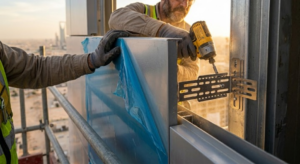
Comparison with Alternative Materials
- ACP: Cheaper but less durable.
- Wood: Excellent insulation but weaker weather resistance.
Tips for Selecting Solid Aluminum Panels
- Choose suitable panel thickness based on project and environmental conditions.
- Verify technical specifications, including corrosion resistance and protective coatings.
- Work with reputable suppliers to ensure quality and specification compliance.
Frequently Asked Questions (FAQs)
What are the main disadvantages of solid aluminum panels?
High cost, thermal expansion, susceptibility to scratches, and limited insulation.
Is aluminum suitable for thermal insulation?
Not inherently, but performance can be significantly enhanced with additional insulation.
Can solid aluminum panels be recycled?
Yes, but recycling is more energy-intensive than composite panels.
Conclusion
Solid aluminum panels represent an excellent choice for building cladding if potential disadvantages are effectively managed. With thorough planning and adherence to best practices in installation and maintenance, these panels can deliver high performance and long-term sustainability.